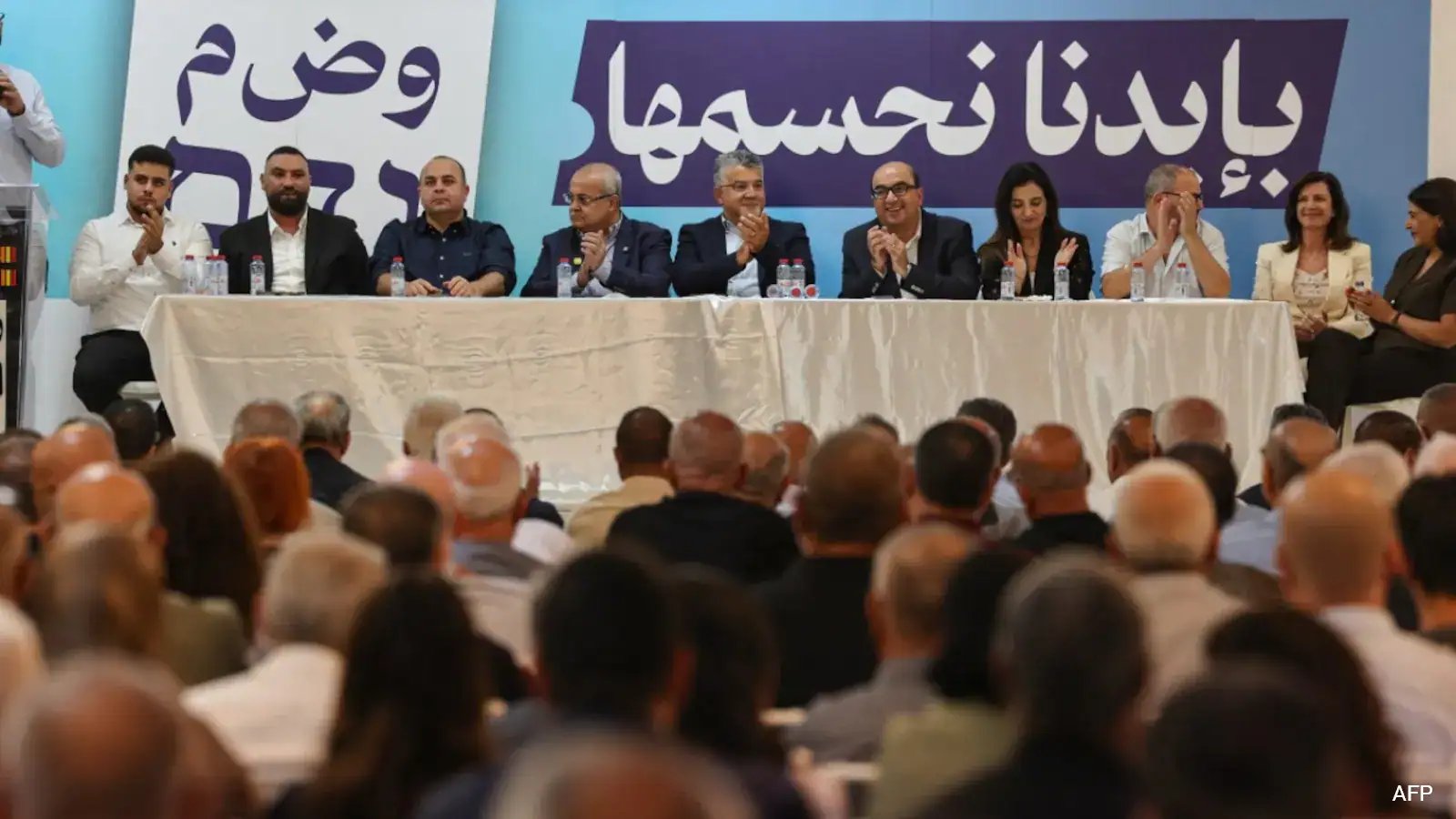
The Joint List, comprising Balad, Ra’am, Hadash, and other Arab parties, secured seven seats in the May 2025 national elections, leaving the Parliament without a clear majority. The result means that the 20% of Israelis who are Arab citizens now hold the decisive vote to determine the next government, a role the coalition has never held before.
For decades, Arab parties in Israel were either allied with Jewish-led parties or marginalised by the state’s policies. The 1987 First Intifada and the 2000 Second Intifada shifted the discourse, making Palestinian identity and equal citizenship central concerns for Arab legislators. The Joint List’s emergence in 2015 was a direct response to these pressures, uniting diverse factions under a common platform.
Neal Shukri, a long‑time Knesset member, said the coalition’s mandate is to push for reforms that guarantee equal rights for Arab citizens. He added that the Parliament’s balance of power, which has rarely been held by the Arab bloc, brings a new urgency to the coalition talks.
The next stage will see the Joint List negotiating with either Netanyahu’s Likud‑aligned bloc or the centrist opposition. The coalition agreements will be signed by the end of June, determining if the current Prime Minister can retain his position or if a new, more inclusive government emerges. The outcome will reverberate across Israel’s social fabric, from the streets of Nazareth to the halls of the Knesset.