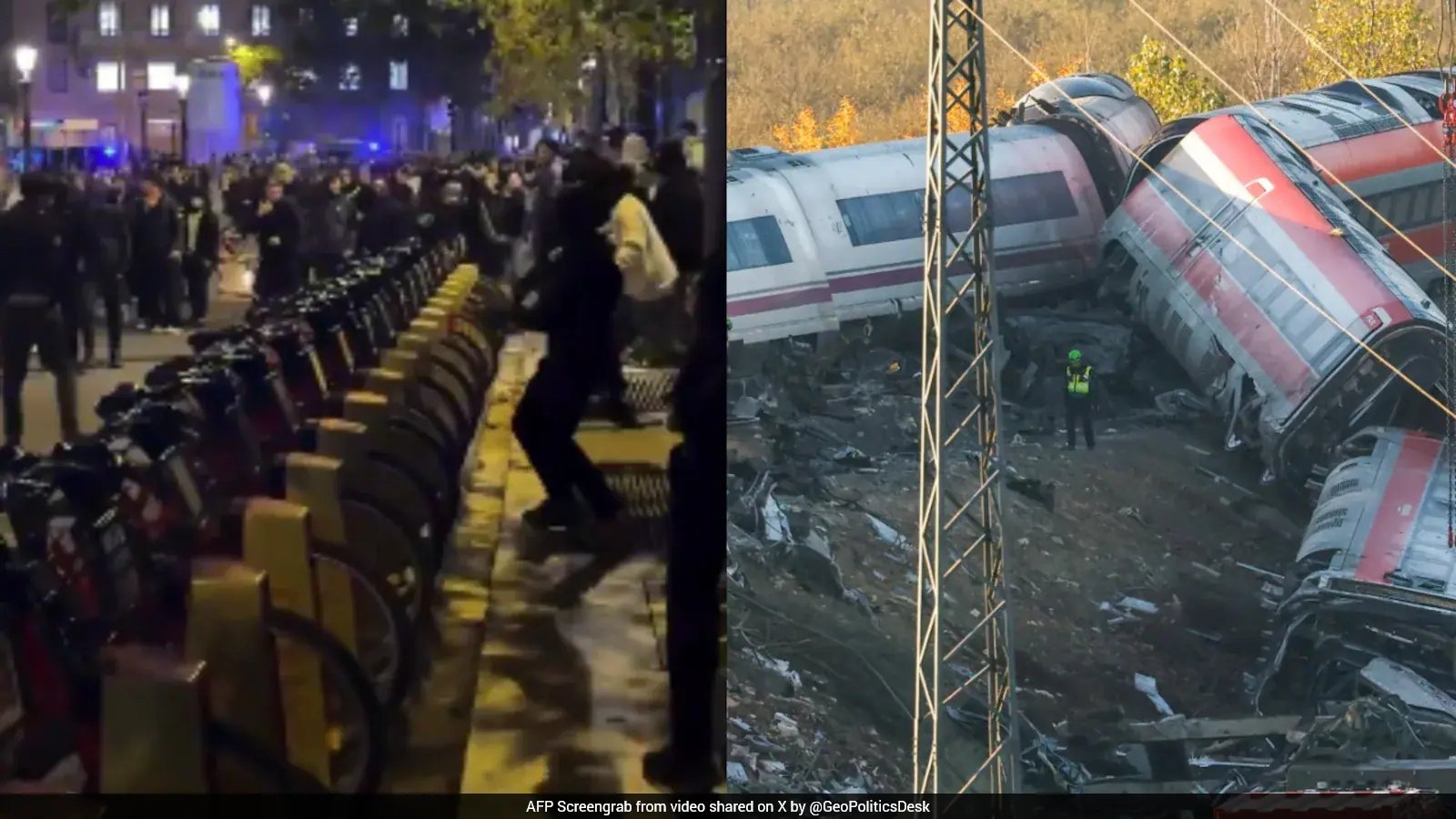
The derailment struck the Renfe train at about 8:53 a.m., when it slammed into a stationary Iryo train on the Madrid‑Seville line near Urda in Toledo province. Two carriages of the Iryo train plunged 4 m down an embankment, leaving 544 passengers on the two trains, 147 on the Iryo and 397 on the Renfe, with more than 100 injured. The crash is the second major high‑speed rail disaster in Spain this year.
Investigators say the root cause was a malfunction in the LZB signalling system at 8:32 a.m., which stopped all traffic on a 90‑km stretch. Eight minutes later the Adif control centre authorised the Renfe train to resume at normal speed. The driver, who had been told to pass a red signal, accelerated to over 200 km/h, ignoring the presence of the stationary Iryo train. Transport Minister Oscar Puente called the decision a violation of regulations, stressing that visual‑driving protocols would have required a 40 km/h limit.
In the wake of the tragedy, about 1,500 protesters gathered outside the Transport Ministry in Madrid, chanting “Minister of Death” and “Os Puente, murderer.” The crowd threw bottles and flares, prompting police to deploy tear gas. No injuries or arrests were reported, though the demonstrators demanded the resignation of Prime Minister Pedro Sánchez and the transport minister.
The slogans echoed a broader discontent that has surfaced since 1978, with banners reading “Criminals down with the Regime of ‘78” and a social‑media campaign accusing the government of ignoring safety protocols. The protests have spread to other European cities, with calls for a national review of Spain’s rail safety standards.
The Spanish Ministry of Transport has launched a formal inquiry into the LZB failure and the decision that led to the crash. A full report is expected within the next 30 days, and the government has pledged to introduce stricter safety oversight across the rail network.