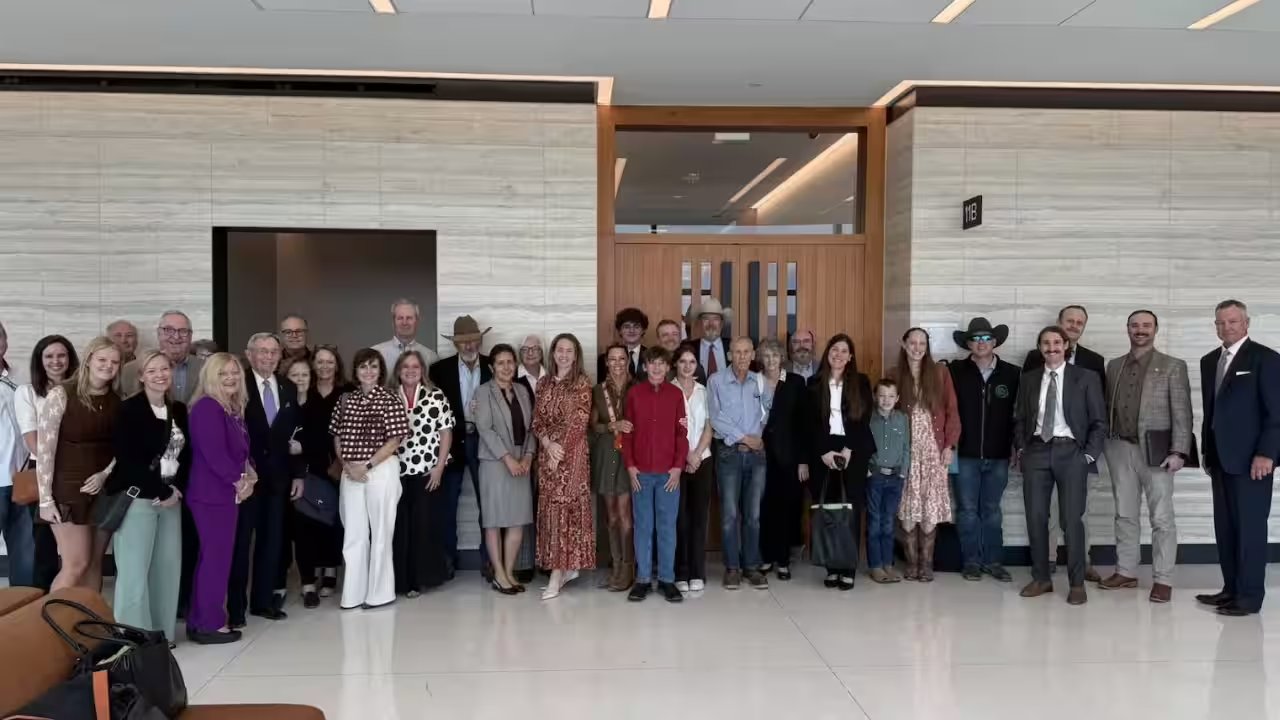
Maya Guerra Gamble, a Travis County district judge, rejected the Texas Commission on Environmental Quality's 2025 approval of the Lake Ringgold reservoir. The ruling, handed down on Oct. 8, wipes out a permit that would have flooded more than 16,000 acres of clay county farmland and the Little Wichita River corridor. Ranchers and conservationists—who have fought the project for years—now see a precedent that could shield private property from future water‑storage plans.
The reservoir, touted as a drought‑mitigation project for Wichita Falls, would have drawn water from the Little Wichita River and stored it behind a 5,000‑acre parcel. Proponents say the lake would secure a steady supply for a city that has already lost 30,000 residents to water shortages. Critics argue the project’s cost to the landscape outweighs the promised benefits—especially for 38 ranchers who own the land slated for inundation.
Texas & Southwestern Cattle Raisers Association president Tom Herrera declared, "This victory protects more than 16,000 acres of livelihood." Meanwhile, the Texas Conservation Alliance’s chief scientist, Maria Lopez, warned that submerging tall‑grass prairie would disrupt a habitat that has been home to over 200 species. Wichita Falls Mayor Tim Short told KAUZ that the city remains committed to the lake, but he also said the appeal deadline is 30 days.
If Wichita Falls files an appeal, the court will review the environmental impact study and the state’s water‑demand justifications. A favorable ruling could allow the project to resume, but it would also reopen the debate over land rights versus water security. The city’s public‑works director, Russell Schreiber, said the appeal is "one step in a longer permitting process."
For rancher Maria Diaz, whose 5,000‑acre ranch sits on the proposed lake’s edge, the ruling means the possibility of a new lease on life for her family’s cattle. The outcome also signals that Texas courts may increasingly scrutinise large‑scale water projects that threaten ecological and agricultural assets. The next court hearing is slated for late November, and Wichita Falls will decide whether to proceed before then.