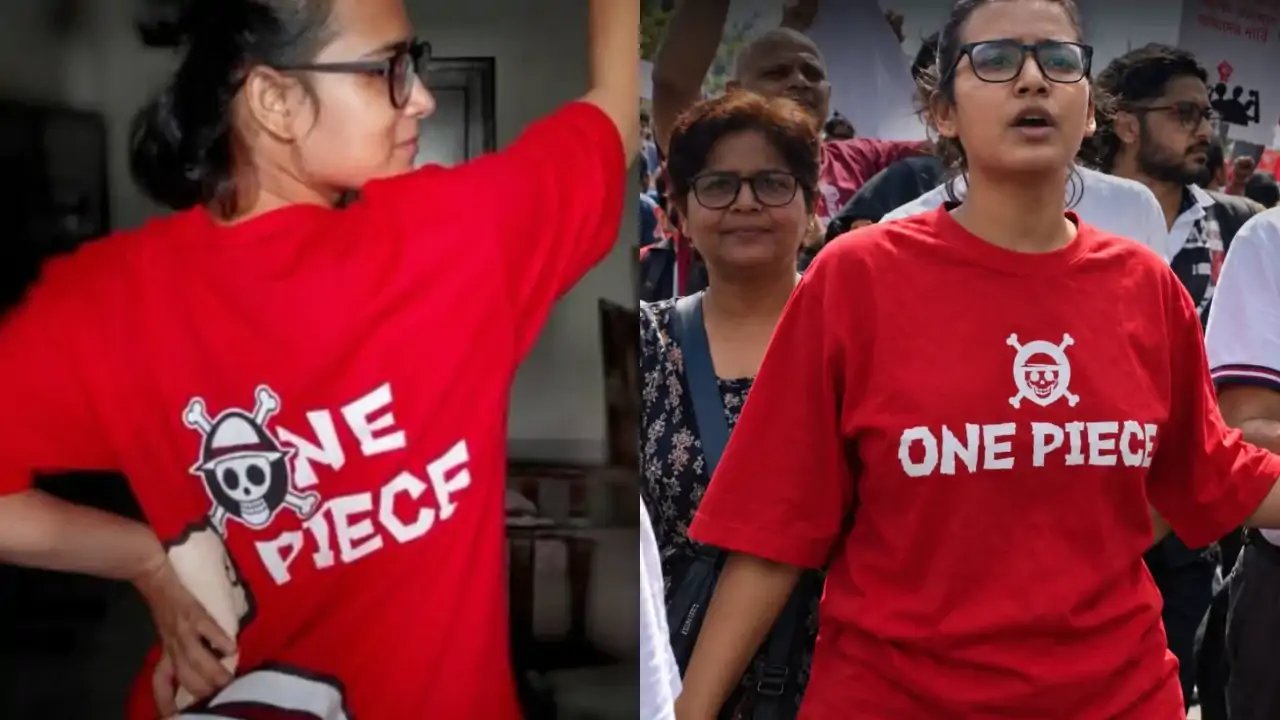
On Wednesday, October 14, far‑left activist Neha Bora posted a video on X, offering a red salute to Bangladesh protesters and asserting that the July‑August 2024 uprising that toppled Prime Minister Sheikh Hasina served as a blueprint for India’s Gen‑Z movement. She highlighted that the student demonstrations, triggered by a government job‑quota grievance, escalated into a nationwide anti‑government wave, culminating in Hasina’s resignation on August 5 and the interim leadership of Muhammad Yunus.
Bora drew a direct line between the Bangladesh revolt’s demand for democratic and voting rights and the demands echoed by Indian youth on campuses and in city squares. "The movement that began in Bangladesh was for democratic and voter rights. Today the movement that the young people are participating in and leading is also a movement for democratic and voting rights," she said, echoing the rhetoric that has gained traction across India’s student unions.
In a swift counter‑attack, Bharatiya Janata Party spokesperson Pradeep Bhandari slammed Bora on X, labeling her a "poster girl of Rahul Gandhi" and accusing her of seeking regime change. Bhandari’s remarks came amid the party’s broader strategy to marginalize student activism, which it views as a threat to its electoral base.
The BJP’s criticism has amplified political tensions, prompting opposition leaders to call for a clearer stance on youth mobilization before the next general election. As the debate over the role of Gen‑Z in shaping India’s political landscape intensifies, both sides are sharpening their rhetoric in the run‑up to the forthcoming electoral contest.