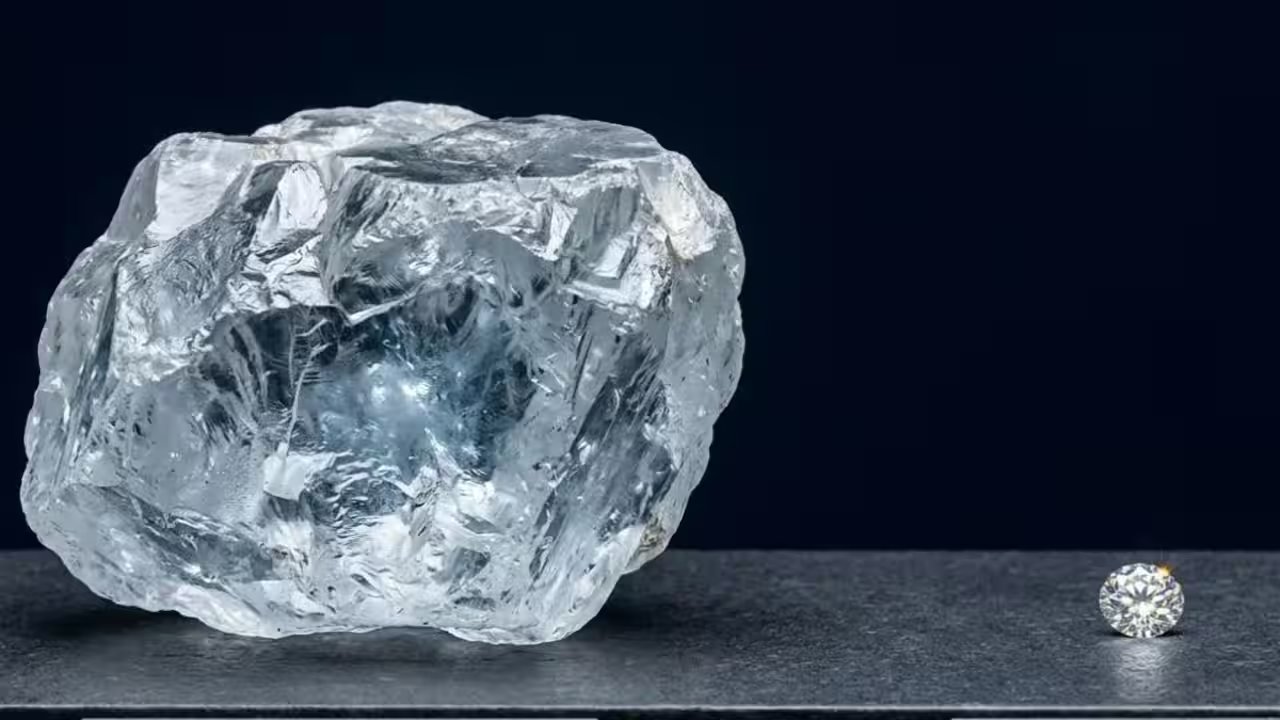
Frederick Wells, the surface manager at the Premier Mine, pried a 3,106‑carat crystal from the rock on 26 January 1905, 18 feet below the surface. The rough stone, later named Cullinan after Sir Thomas Cullinan, was shipped to London in 1905, where King Edward VII commissioned the Asscher firm in Amsterdam to cut it.
The cutting process spanned eight months, with three workers clocking 14‑hour days to produce nine major stones and 97 smaller cuts. The first blow to split the stone broke the knife, but a subsequent strike successfully cleaved the crystal.
Cullinan I, weighing 530.2 carats, was mounted on the Sovereign’s Sceptre with Cross, while Cullinan II graces the Imperial State Crown. Remaining fragments were fashioned into royal jewelry, including pieces worn by the Queen.
Today the Great Star of Africa rests in the Tower of London, a relic of the 1907 gift that helped mend Anglo‑South African relations after the Boer War.