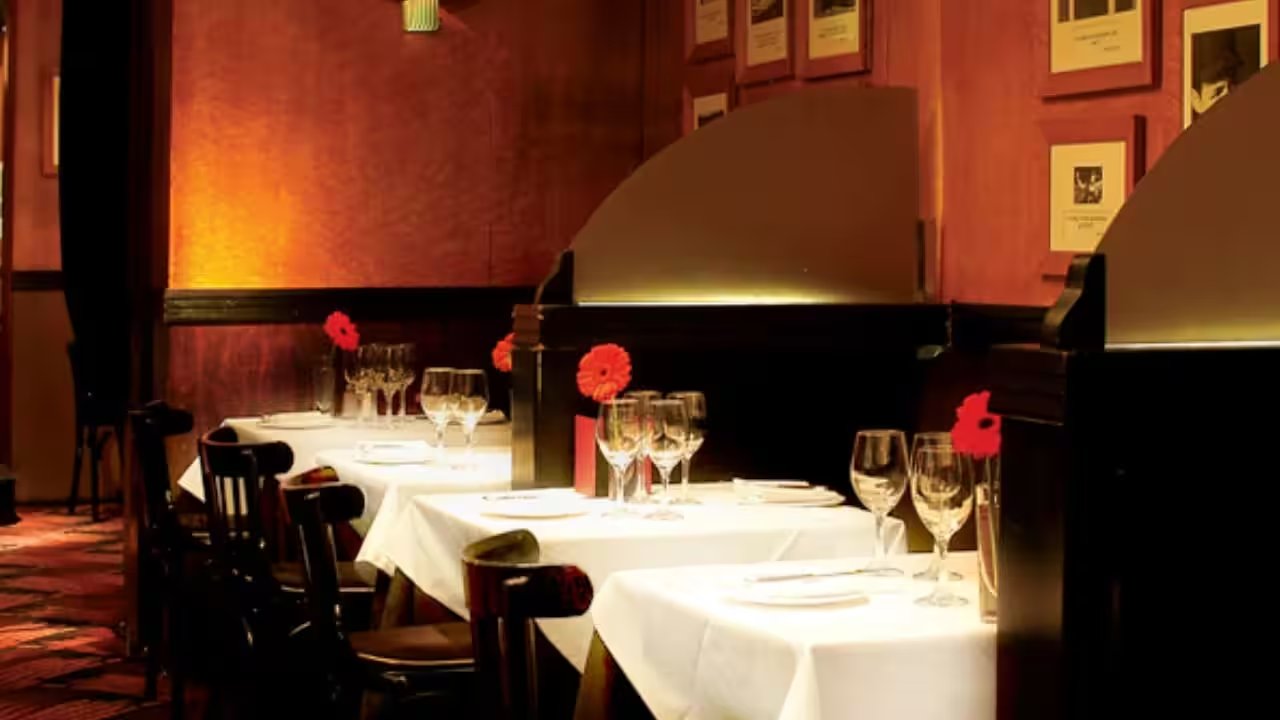
Forthwell Limited, acting as the leaseholder for a Glasgow premises, had let its wholly‑owned subsidiary, Lynnet Leisure (Rogano) Limited, run the Rogano Restaurant and Bar. The venue, shut during the pandemic, never reopened after floods on 9 and 14 December 2020 and a January 2021 fire that gutted its electrical systems.
The landlord, Pontegadea UK Limited, was bound by the lease to rebuild any part damaged by an insured risk, yet the parties couldn’t agree on the scope of necessary repairs. Forthwell argued that the landlord’s failure to repair should give it the right to recover the restaurant’s lost profits, proposing a new Scots‑law exception that would allow a tenant to claim losses suffered by a sub‑tenant not party to the lease.
In a 17 September 2026 ruling, the Supreme Court struck down that exception as too broad and not part of Scots law. It noted that the narrow Albazero exception remains, but the broader performance‑interest ground was left open as a potential area for future case law. The court’s decision meant that Forthwell could not obtain a monetary remedy for the restaurant’s losses.
While the parties claimed to have settled the dispute, Forthwell applied to withdraw its appeal. The court refused, citing the public importance of clarifying the law. The landlord repair issue, however, was not resolved and may now be pursued in a separate civil action or negotiated settlement.
For the staff who once ran the kitchen, the ruling feels like another blow. One veteran chef, who had worked at Rogano for 12 years, said he had to move to another city for work, a story that mirrors the fate of many displaced employees in the wake of the floods and fire.
Tags: ["UK Supreme Court", "Rogano restaurant", "Forthwell Limited", "landlord‑tenant dispute", "Scots law"]