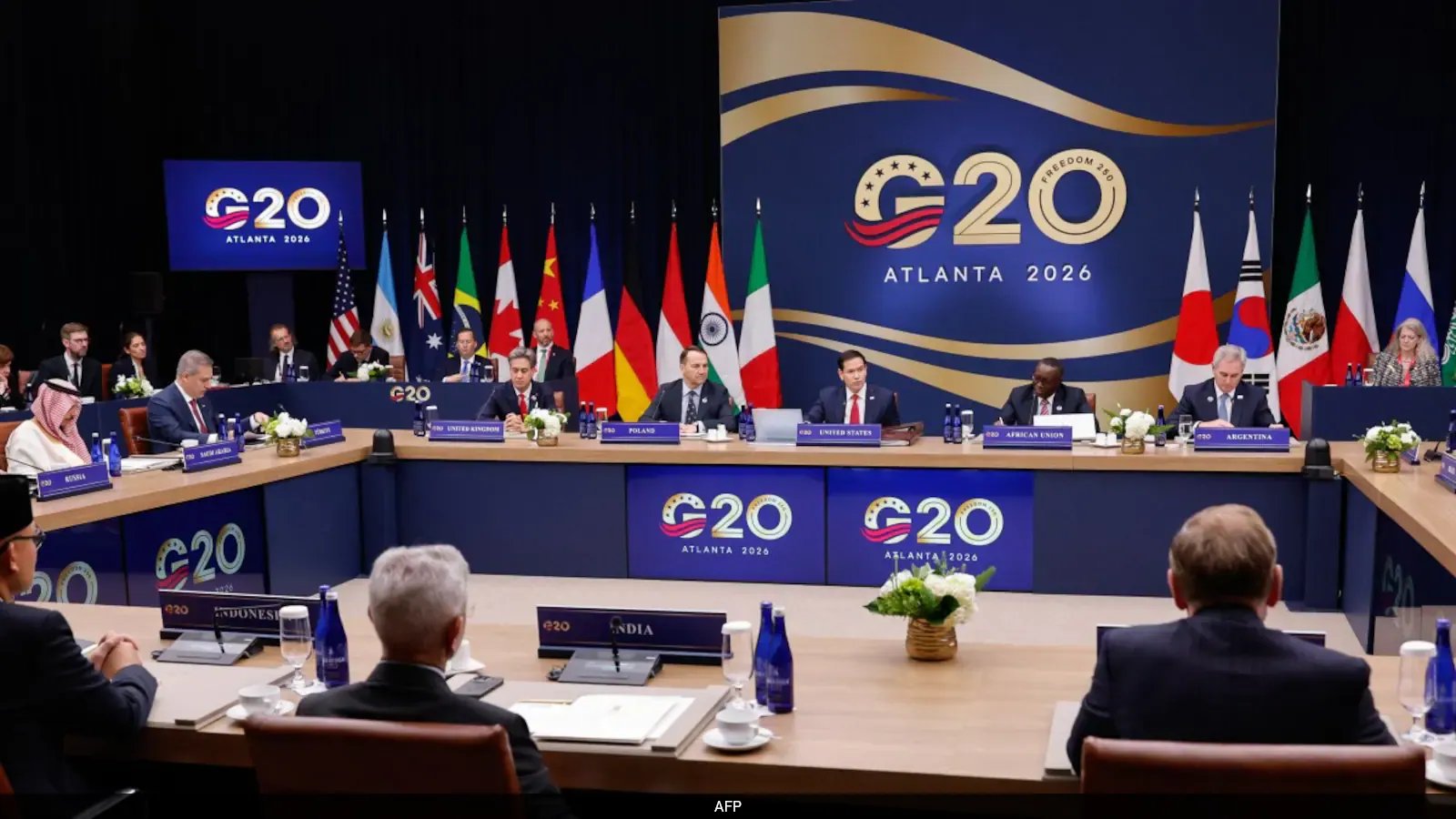
European diplomats, led by the British Foreign Office, Polish Deputy Prime Minister Radosław Sikorski and German Foreign Minister Johann Wadephul, threatened to walk out of the customary snapshot if Lavrov stood beside them. The British warned that the United Kingdom would not engage in direct, bilateral talks with Russian ministers since the invasion of Ukraine, and Sikorski declared, "I am not the only one who does not want to be photographed with Lavrov." Wadephul added, "There is no normality with Russia, but we must exchange the controversies at the table here."
The U.S. had invited Russia to the G20 amid a climate of heightened sanctions and military aid to Ukraine, a decision that drew criticism when former President Trump waived fresh sanctions on Moscow and temporarily eased logistical support. Ian Kelly, former U.S. ambassador to Georgia and now a professor of international relations, described the invitation as "politically boneheaded," noting that Lavrov’s presence could stir domestic backlash just before the mid‑term elections.
The meeting in Atlanta is the prelude to the leaders’ summit hosted by President Donald Trump at his Miami golf club in December. Whether Russian President Vladimir Putin will attend remains uncertain, but the G20’s agenda—freedom of navigation in the Strait of Hormuz, the Red Sea, the Black Sea and the South China Sea—will be weighed amid the backdrop of the Russia‑Ukraine conflict and U.S. tariffs on China.
South Africa, a founding G20 member, was omitted from the invite list, sparking accusations of exclusion. Foreign Minister Ronald Lamola’s spokesperson, Phindile Kunene, said the country had been "forced rather than chosen" to sit out, and urged that South Africa should be allowed to participate on an equal footing when Britain assumes the presidency next year.
As the G20 continues to grapple with divergent positions on trade, security and geopolitical crises, the next step will be the December summit where leaders must decide whether to bridge the rifts or proceed with a fragmented agenda.