Yvonne Thomson, a logistics officer turned entrepreneur, spotted a crisis when grocery shelves were littered with perfectly edible but discarded produce. The excess was driven by cosmetic standards that left a carrot or a bruised apple unfit for sale. In 2017 she launched UKHarvest from a lock‑up garage in Chichester, turning a single van into a mobile rescue unit.
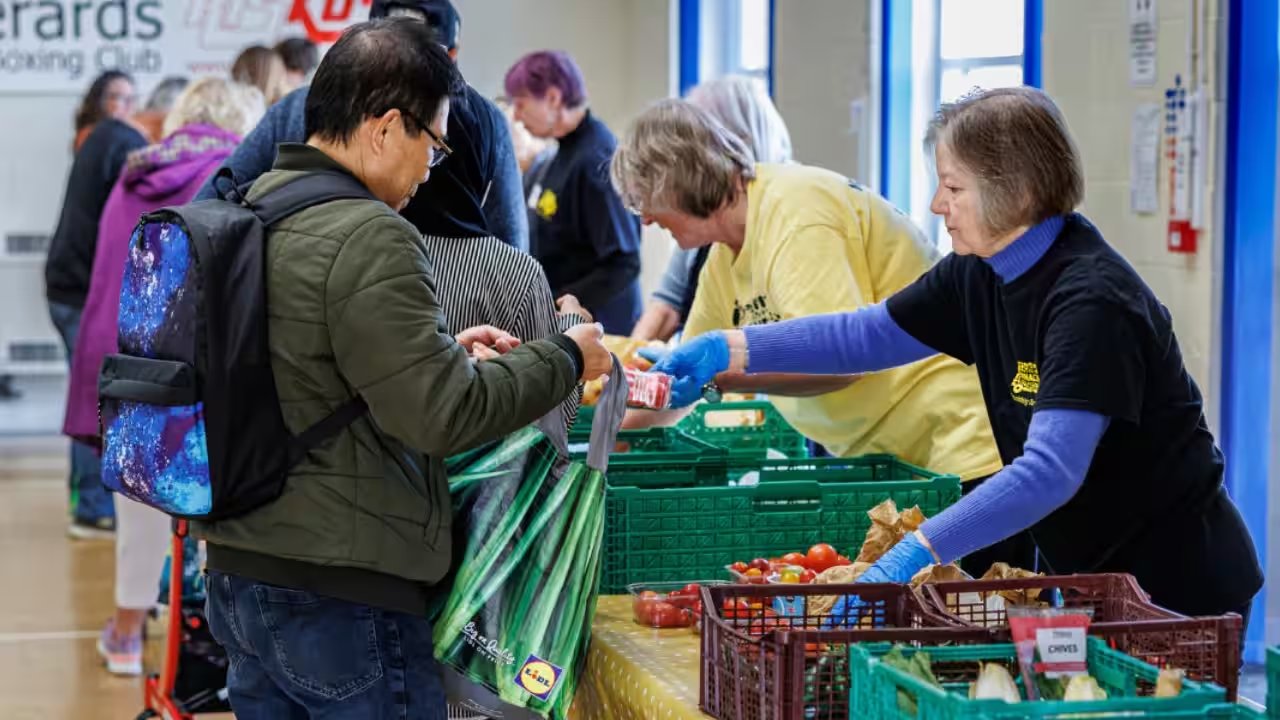
The charity now operates a fleet of vans and a chilled‑storage warehouse in West London, pulling 10 tonnes of surplus each week from farms, distributors and retailers across southern England. Its Community Food Hubs deliver fresh produce directly to neighbourhoods, while the Nourish Hub café in West London offers affordable meals and nutrition education. In 2024 a Grub Club program was rolled out, feeding 20 primary schools in West Sussex and teaching children where their food originates.
Queen Camilla serves as patron, lending prestige and support to the growing movement. The board chair, Susannah Day, highlighted the charity’s role in easing the cost‑of‑living squeeze, noting that “our services are becoming essential for a widening swathe of the community.” Local volunteers and business partners keep the logistical engine humming.
On World Food Day, 16 October, UKHarvest celebrated the 10 million‑meal mark, a figure that dwarfs the amount of waste that would otherwise end up in landfill. The milestone underscores the scale of the charity’s impact and the urgency of the food‑waste problem in the UK.
Looking ahead, UKHarvest has issued a public call for additional food donors and volunteers to sustain its expansion, with plans to double its weekly collection and broaden its hub network by early 2025. The charity’s website lists ways to contribute, from one‑off donations to partnership opportunities for food producers.