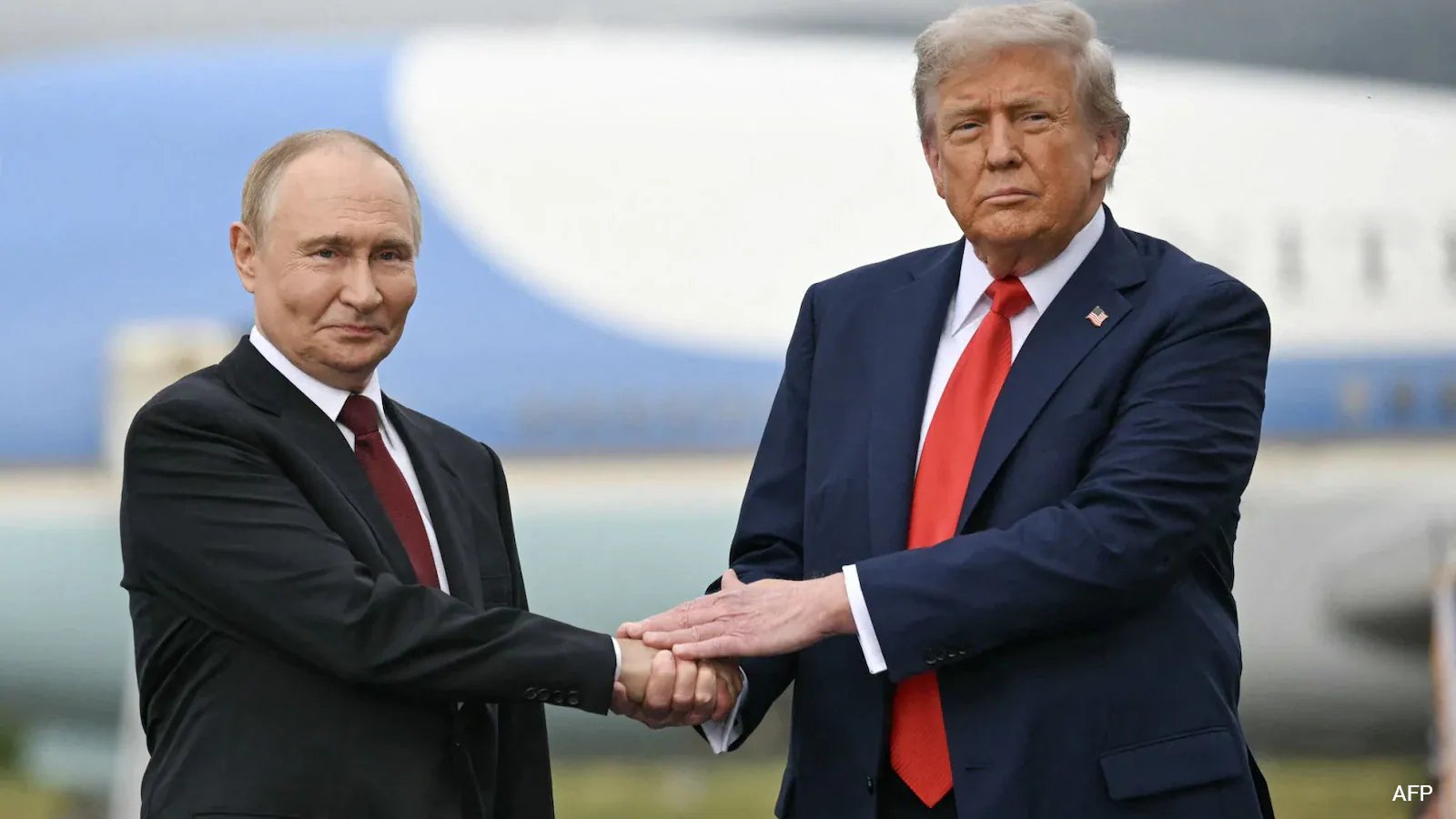
The Trump administration is negotiating a return of American companies to Russia's oil industry as a primary lever to end the war in Ukraine, according to a Financial Times report. The proposals, discussed by special envoy Steve Witkoff during his early September meeting with Vladimir Putin, include restarting the Sakhalin-2 joint venture and resuming Russian oil flows to Europe via the Druzhba pipeline. Washington views these economic incentives as a framework for broader peace, contingent on the conflict's conclusion.
But the strategy is already fraying relations with Kyiv. Ukrainian President Volodymyr Zelensky has refused to halt long-range drone strikes on Russian refineries, a move the White House has repeatedly pressured him to stop. This friction has worsened since Trump agreed to import Russian diesel earlier this month, a decision that angered European allies and raised alarms in Congress. For Kyiv, the prospect of Washington courting Moscow's economic interests while demanding military restraint feels like a betrayal.
ExxonMobil remains the wild card. As the only US firm in the Sakhalin project, the company stated last year it had no plans to resume operations. Whether it has reconsidered remains unclear, though the administration is pushing for engagement beyond oil. Reports indicate talks also cover titanium production and US airlines regaining access to Russian airspace, moves that would cut fuel costs and reopen supply lines severed since the 2022 invasion.
Europe is reacting with a mix of caution and direct engagement. Finnish President Alexander Stubb and Norwegian Prime Minister Jonas Gahr Store spoke with Putin for 90 minutes on Tuesday, urging de-escalation. The Kremlin, however, framed the call differently, with Putin blaming Western "confrontational" policies for prolonging the war. These diplomatic maneuvers underscore the shifting dynamics as the conflict enters its fifth year, with the West attempting to balance pressure with economic leverage.
The next critical test arrives next month in Abu Dhabi. Russian, Ukrainian, and American officials are set to hold their first trilateral peace talks since February. The outcome will hinge on whether Putin accepts these economic carrots and whether Zelensky agrees to curb his military operations. If the talks stall, the US may find its proposed economic framework moot, leaving the war to grind on without a clear exit strategy.