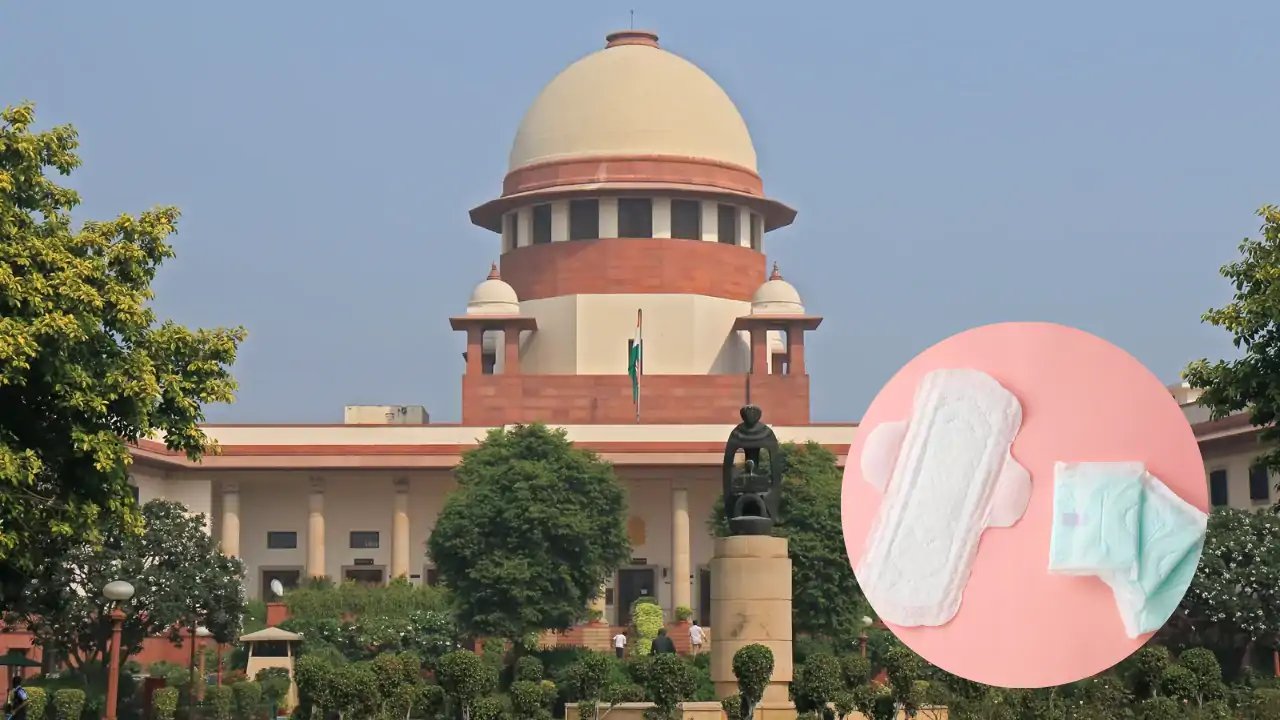
The Supreme Court has issued a sharp warning to states and union territories, threatening to invoke contempt powers against their chief secretaries if they continue to ignore directives on menstrual hygiene infrastructure. A bench comprising Justices J B Pardiwala and R Mahadevan expressed frustration on October 13 after the Union of India reported that most states had failed to submit the required implementation data despite repeated requests. The court’s displeasure stems from a gap between its landmark January 30 verdict, which recognized menstrual health as a fundamental right under Article 21, and the lack of on-ground action by state governments.
Additional Solicitor General Aishwarya Bhati informed the bench that the Centre has formally called for information on how the judgment is being implemented. "Unfortunately, the states/UTs have not responded to the Union so far," the bench stated, questioning why states remain silent once the Union requests necessary data. The court emphasized that leaving the judgment on paper defeats the purpose of declaring menstrual hygiene a facet of the right to life and personal liberty. This inaction is particularly egregious given the court's earlier directive on September 1 to address deficiencies in school infrastructure.
The core of the issue remains the availability of functional, gender-segregated toilets with water connectivity in schools, a requirement that extends to both government and private institutions. The Centre previously reported the construction of 30,458 such toilets across the country, with 4,236 more under construction, yet the court insists on detailed state-wise reporting to verify progress. The bench highlighted that young girls in remote areas are dropping out of school due to the lack of basic hygiene facilities, making the court's insistence on data collection a matter of social justice rather than mere administrative compliance.
The court has granted the Union a final opportunity to gather responses from all states and UTs before the next hearing on December 14. If the Centre reports that specific states have still not responded, the bench indicated it will proceed to issue contempt notices directly to the concerned chief secretaries. This move signals a shift from advisory oversight to direct legal accountability for state administrations that have neglected the court's fundamental rights mandate.