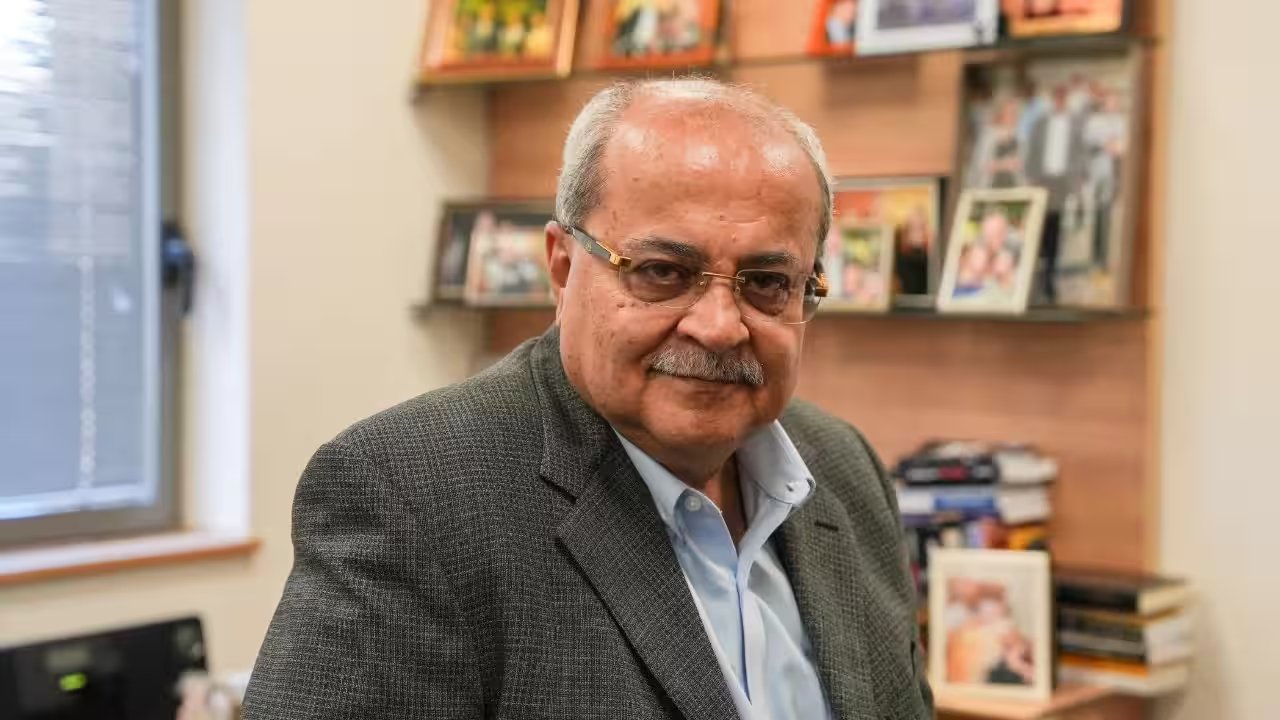
Ahmad Tibi, a senior leader of the Arab Joint List, declared on Channel 12 that the party is prepared to support a government led by opposition figures to displace Benjamin Netanyahu’s outgoing coalition. The offer comes with a strict condition: no Joint List members will take seats in the cabinet. “We want to help anyone who wants to bring down this awful government,” Tibi said, explicitly rejecting the idea of power-sharing in the executive branch.
The arithmetic is tight but workable. The opposition bloc holds 67 seats in the 120-member Knesset, a majority secured only by combining 48 seats from Zionist parties with 19 from Arab factions. Tibi urged opposition leader Gadi Eisenkot to follow the path of former Prime Minister Yitzhak Rabin, who relied on Arab lawmakers to pass the Oslo Accords. “Without the Arab parties there won’t be change,” he argued, pointing to the mathematical reality of the election results.
Complications are mounting, however. Several Jewish-led opposition parties have publicly ruled out forming a coalition with Arab factions, creating a significant stumbling block for Eisenkot. Joint List chairman Yousef Jabareen confirmed that informal contacts have begun with Eisenkot, Yair Golan of the Democrats, and members of Naftali Bennett’s B’Yachad party. These talks remain preliminary, not formal negotiations.
Jabareen outlined three non-negotiable demands for their support: a diplomatic process toward a Palestinian state, a funded plan to combat violent crime in Arab municipalities, and a halt to home demolitions. These conditions clash with the public positions of several opposition parties that have previously opposed Palestinian statehood. Political observers note this friction could derail the coalition talks before they even begin.
Tensions also flared over allegations of foreign interference. Tibi rejected claims that Qatar secretly funded efforts to boost Arab voter turnout, accusing Shin Bet chief David Zini of influencing the Central Elections Committee’s investigation. Jabareen dismissed the allegations as “spin” and “dangerous slander.” While the Shin Bet has opened a limited probe, both the agency and the elections committee have stated the investigation will not affect the validity of the results.
President Isaac Herzog, speaking at a memorial for former President Chaim Weizmann, called on leaders to “stop climbing up trees and face reality.” He urged them to accept the election results and avoid another vote. Herzog is scheduled to receive the certified results on November 4, after which he will begin formal consultations at the President’s Residence. The new Knesset is set to be sworn in on November 10, leaving Eisenkot with a narrow window to assemble a workable cabinet.