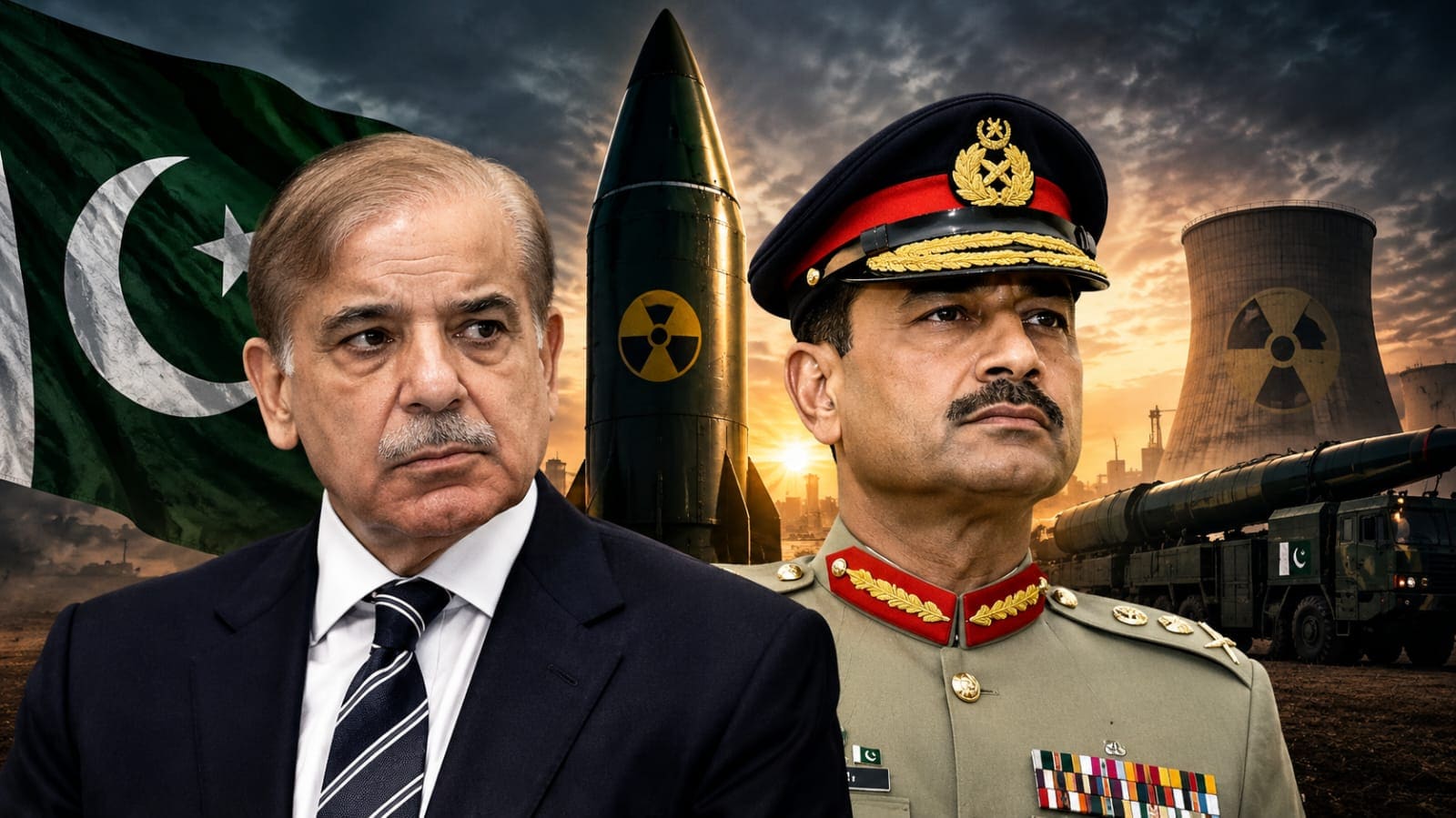
The International Atomic Energy Agency (IAEA) announced on 18 June 2024 that Pakistan has a "robust nuclear security regime" after its first comprehensive review mission, a stark reversal from the country’s former reputation as the world’s "Nuclear Walmart".
The report, delivered by the IAEA’s International Physical Protection Advisory Service, praised the country’s implementation of safeguards at the Karachi nuclear complex and highlighted ongoing capacity‑building efforts. It marked a first‑hand confirmation that Pakistan’s physical protection measures now align with international norms.
The assessment comes a decade after Dr. Abdul Qadeer Khan confessed to illicit nuclear technology transfers to Iran, Libya and North Korea, a scandal that left Pakistan’s nuclear establishment under international scrutiny. The scandal had forced President Pervez Musharraf to grant Khan a pardon while keeping him under house arrest, yet many questioned whether the state had truly overseen the network.
Pakistan’s nuclear minister, Anil Kumar, congratulated the IAEA for its findings, saying the review would restore confidence among allies. Meanwhile, Indian disarmament expert Rakesh Sood cautioned that the certification does not erase past allegations, reminding listeners that Pakistan’s nuclear history remains a point of tension.
For ordinary Pakistanis, the review has tangible impacts. Farid Ahmad, a 12‑year‑old technician at the Karachi complex, said the new security protocols give him and his colleagues a sense of pride and safety in their daily work. “We feel watched and protected,” he told us over the phone.
Looking ahead, the IAEA will conduct a follow‑up inspection of the Karachi plant in July, a move that signals Pakistan’s readiness to engage in deeper nuclear cooperation with the United States and China. The next step will involve joint training exercises and expanded data‑sharing agreements, a shift that could reshape South Asia’s strategic calculus.