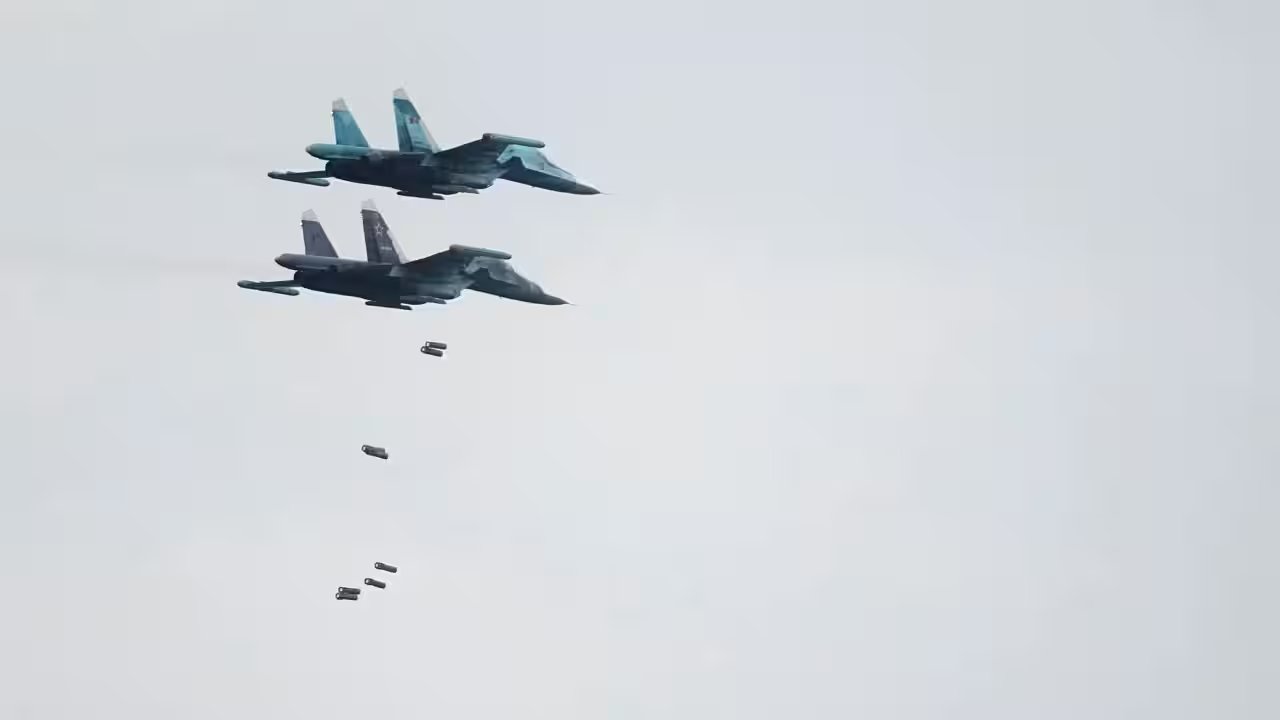
The Neptune coastal missile system fired from Ukrainian naval vessels met the Russian airfield's 13,000‑meter runway, bringing down the jets. The strike hit the rear fuselage of each aircraft, causing a chain reaction of explosions. Ukrainian officials say the missiles were guided by real‑time satellite data.
Earlier that morning, a drone attack on a Ryazan refinery sparked a blaze at a Rosneft facility that feeds Moscow's fuel needs. Governor Pavel Malkov posted on Telegram that the damage was still being assessed and emergency crews were on the scene. Schools in two districts postponed classes amid the drone barrage.
This comes after US President Donald Trump announced an energy ceasefire between Russia and Ukraine, a truce never formally ratified by either side. The bombing of the refinery marked the first strike on a Russian energy site since that announcement. Moscow has yet to confirm the ceasefire's existence.
Across the Black Sea, Romanian authorities reported two chemical tankers catching fire near the Sulina Canal after Russian drones entered their airspace. Eight of 12 crew members on the San Marino-flagged Wine Trader remain missing, while all crew on the Comoros-flagged Yara J survived. The incidents add to a string of attacks on shipping near Romania and Bulgaria over the last ten days.
Families in the Voronezh region, who have endured weeks of drone raids, say the shots feel like a brief respite. One resident, 32‑year‑old Aleksei, told reporters that the airfield's silence after the missiles hit was almost surreal. He added that his wife had to leave their home because of the drone threat.
Russia's defence ministry has not yet issued a statement, but analysts predict a swift retaliatory response via cyber or aerial attacks. Ukraine's Ministry of Defence has pledged to continue pressure on Russian forces, citing the need to defend its energy infrastructure.