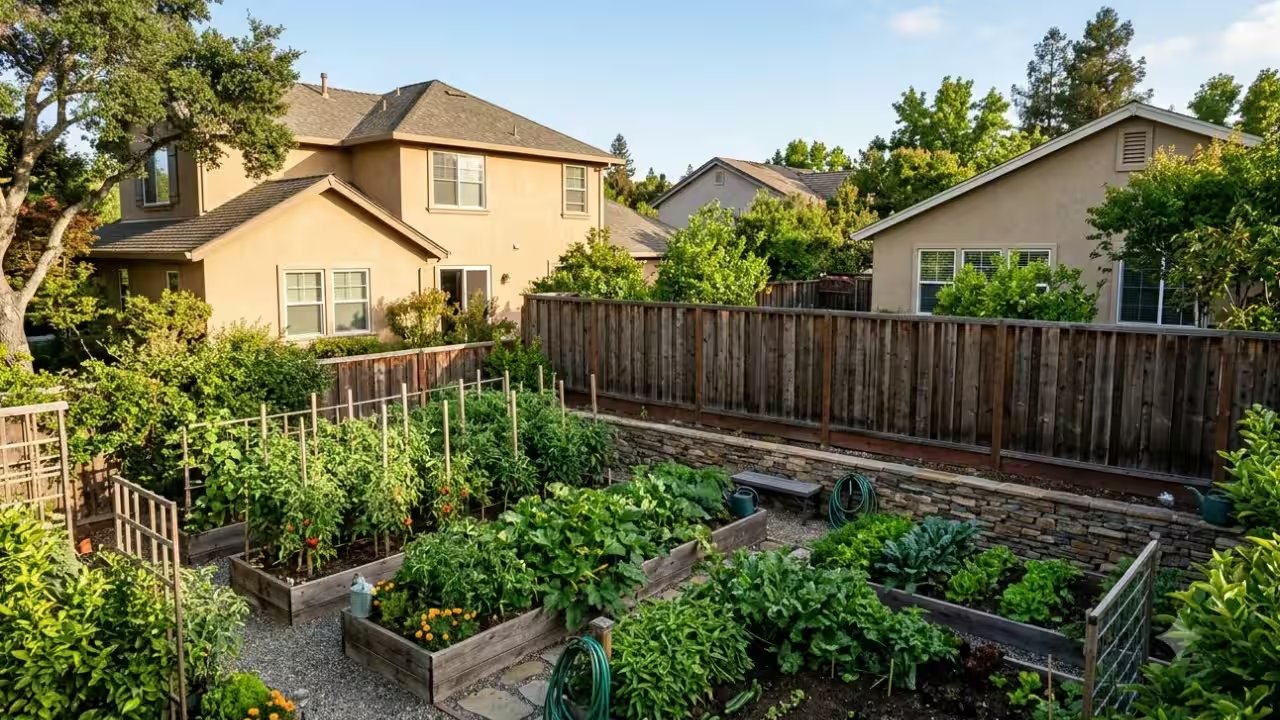
The California Court of Appeal ruled on Monday that Clayton and Pinchuk retain exclusive rights to a disputed 20-by-20-foot garden, rejecting a property survey that placed the land in the deeds of their neighbours, Herbert Canada and Bernadette Rodriguez. The ruling grants the couple an equitable easement—a legal right to use another's land—rather than outright ownership, a distinction that keeps the feud alive but settles the daily usage. It’s a strange legal outcome for a backyard argument that traces back to a 1955 handshake deal involving a garage, $250, and a babysitter.
The origin of the mess lies in the 1950s, when the Reom and Kroeger families negotiated a swap. The Kroegers needed to build a new garage, but the plan blocked an alleyway the Reoms used. In exchange for giving up that access, the Reoms received a small plot of land, $250 cash, and babysitting services for the Kroeger children from Carol Reom. The Kroegers built the garage and enclosed the land with a retaining wall and fence, physically cutting it off from their own property. For seven decades, the Reoms treated it as their own, tending the garden without issue.
The trouble started when paperwork went missing. When the houses changed hands, the original deed transfer for the garden never happened. Canada and Rodriguez bought the Piedmont property in 2017; Clayton and Pinchuk bought the adjoining Oakland home in 2019. In 2020, during fence renovations, Canada showed Clayton a survey proving the garden was technically part of his property. The couple, who had assumed the garden was included in their purchase, were blindsided. By December 2021, Canada called the police, alleging trespassing. The couple stopped using the garden and sued.
At trial, the court faced a dilemma: the 1955 parties were long gone, and the original written record was nowhere to be found. Larry Reom, son of the original owner, testified he had seen the document but couldn’t produce it. The court relied on secondary evidence, including the physical layout of the fence and the 50-year history of exclusive use. The trial court initially ruled in favour of Clayton and Pinchuk, a decision Canada and Rodriguez appealed. The appellate court upheld the lower ruling, finding that equitable principles of fairness outweighed the strict technicalities of the missing deed.
The battle isn’t necessarily over. While Clayton and Pinchuk can keep gardening, Canada and Rodriguez remain the legal owners of the dirt under their feet. The court’s decision to grant an easement rather than fix the deed leaves the property titles technically confusing for future sales. For now, the 20-by-20-foot patch of soil stays in the hands of the people who’ve been watering it, but the legal ambiguity lingers in the background of the neighbourhood.