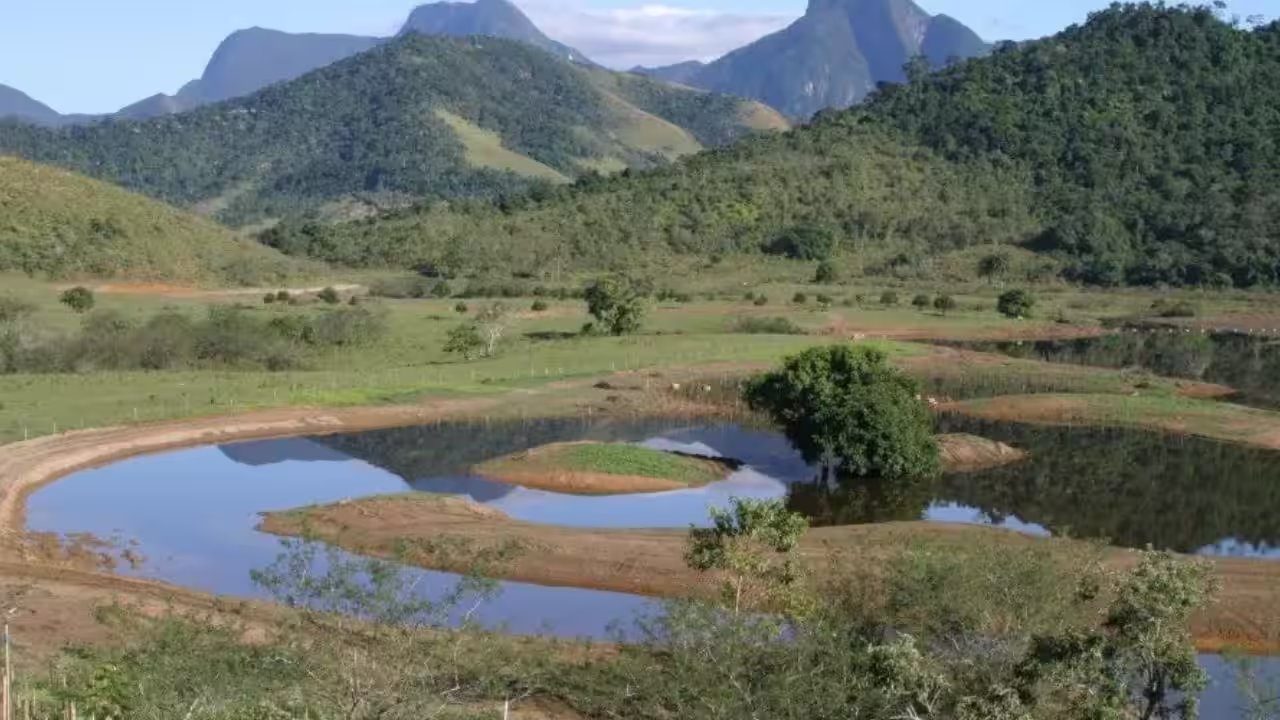
World Land Trust and Reserva Ecológica de Guapiaçu (REGUA) planted 840,000 saplings across 607 hectares of degraded Atlantic Forest in the Serra dos Órgãos, Rio de Janeiro, marking the largest tree‑recovery effort in the region to date.
The partnership, forged in 2005, has expanded the reserve to nearly 15,000 hectares, a leap from the 259 hectares WLT first secured in 2006. REGUA now manages 4,202 hectares through agreements and leases, bringing the total protected area to 14,993 hectares.
The newly planted trees form continuous corridors that stitch together forest patches that once stood isolated. Wildlife corridors now allow genetic exchange between plant and animal populations, a critical step toward restoring ecological resilience.
Beyond the canopy, REGUA restored a lowland wetland that had been pasture since 1982. The project built earth dams and redirected a stream to create lagoons, drawing back broad‑snouted caiman, capybara, and over 220 bird species, including herons and crakes. The wetland also welcomed the lowland tapir, marking the species’ return to Rio after a century.
REGUA’s nursery, established in 2005, produces around 60,000 saplings annually, drawing from 180 tree species collected on site. The nursery’s diversity supports ecological succession, ensuring that young forests mirror the original biodiversity of the Atlantic Forest.
The restored corridor now supports a genetically diverse population, positioning the region to meet future biodiversity targets while demonstrating the scalability of partnership‑driven conservation.