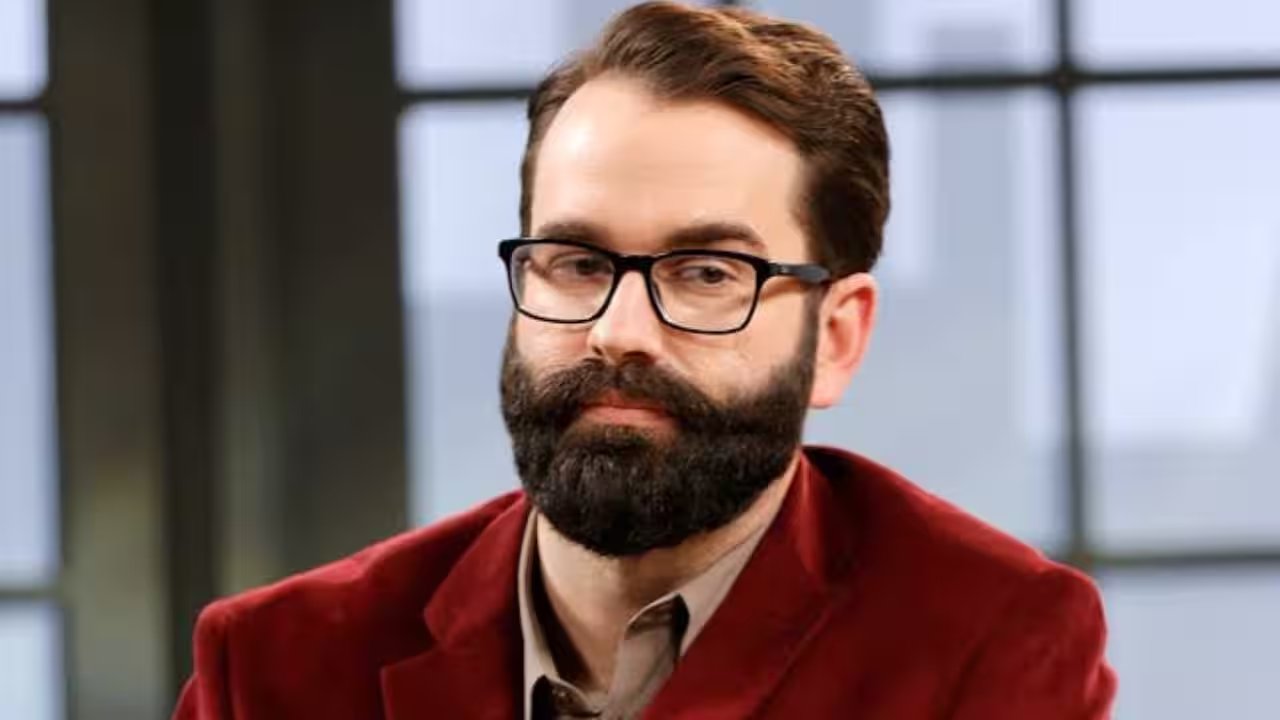
Matt Walsh took to X on October 14, 2026 to call out a trend he sees taking root among teens and young adults. In a brief thread, he cited a screenshot from @normalboy showing a passenger who asked ChatGPT whether he could bring a Cava restaurant onto a flight, only to engage in hours of back‑and‑forth dialogue with the bot. Walsh framed the exchange as a microcosm of a larger shift toward treating algorithms as companions.
The commentator warned that if millions of youth spend their waking hours conversing with virtual agents, the fabric of human connection could fray. He added that big tech companies—each worth trillions—control these systems, and that current policy makers appear indifferent to the social implications. Walsh said, "We need to face the fact that there’s already a huge number of people, especially younger people, who talk to AI like it’s their friend and carry on near‑constant conversations with it."
Walsh is not new to AI criticism. Earlier this month he responded to Anthropic’s September 30 report on robot capabilities, arguing that the outsourcing of labor to autonomous systems would leave workers without a voice. He also decried AI‑generated entertainment, from McDonald’s Christmas ad to computer‑composed music, claiming that algorithmic art erodes human creativity.
The hard‑news community has largely stayed neutral, but some tech journalists have echoed Walsh’s concerns about the psychological impact of prolonged chatbot use. In response to the post, the head of OpenAI’s consumer outreach team said the company "is actively researching safe interaction guidelines."
Walsh has indicated that he will push for a bipartisan bill next year to impose stricter disclosure requirements on AI‑powered conversational tools. The House Foreign Affairs Committee is slated to hear testimony from industry insiders in November, a move that could set the tone for national regulation.