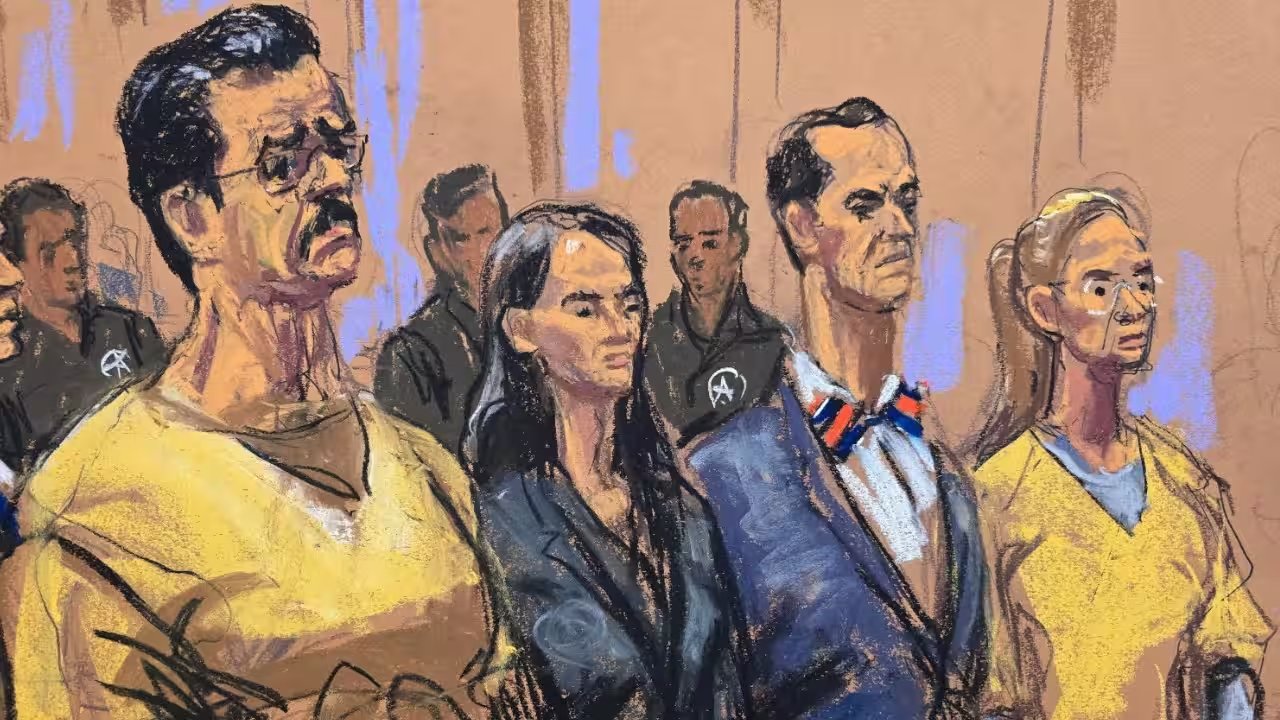
Nicolás Maduro, 63, stood in ankle shackles before Judge Alvin K. Hellerstein and called the new charges "false accusations and false testimony." He spoke through an interpreter, challenging the validity of the evidence before the court. His wife, Cilia Flores, sat beside him. "I am completely innocent. I am not guilty," she declared, also through an interpreter. The judge entered not-guilty pleas for both, formally rejecting the defense's initial objections to the procedural entry of the plea.
The revised indictment marks a significant escalation from the original drug trafficking case. It accuses the couple of leading a repression system that tortured scores of victims, including three Americans, using methods like beatings, asphyxiation, and electric shocks. Prosecutors allege Maduro personally recommended torture techniques and threatened to kill a prisoner's child as psychological warfare. Flores, a former attorney general, is accused of helping architect this system and ordering specific abuses. This new charge sheet expands the alleged timeline of crimes back to 2013, right when Maduro succeeded Hugo Chávez.
Maduro’s legal team, led by Barry Pollack, has consistently argued the case should be dismissed on immunity grounds. They contend that as a sitting head of state and first lady, Maduro and Flores enjoy sovereign immunity. However, the US government maintains that torture is a crime under international law that can be prosecuted regardless of where it occurred or the victims' nationality. This is a rare move; similar US prosecutions have targeted figures like the son of former Liberian president Charles Taylor and a former Syrian prison warden.
The couple was seized from their Caracas home during a January US military raid. Their lawyers now seek to delay the trial from June 1 to June 14, citing the complexity of the expanded indictment. Judge Hellerstein leaned toward this request, noting both sides requested the change. The defense faces a steep climb: not only must they counter the specific torture allegations, but they must also dismantle the legal argument that a sitting president can be tried in a foreign court for domestic policy decisions.