In November 2023, a Facebook post depicting two emaciated children in a rain‑soaked street beside a birthday cake went viral, only to be uncovered as an AI fabrication. The children—one with thick beards, one missing a hand—were unmistakable signs of synthetic generation.
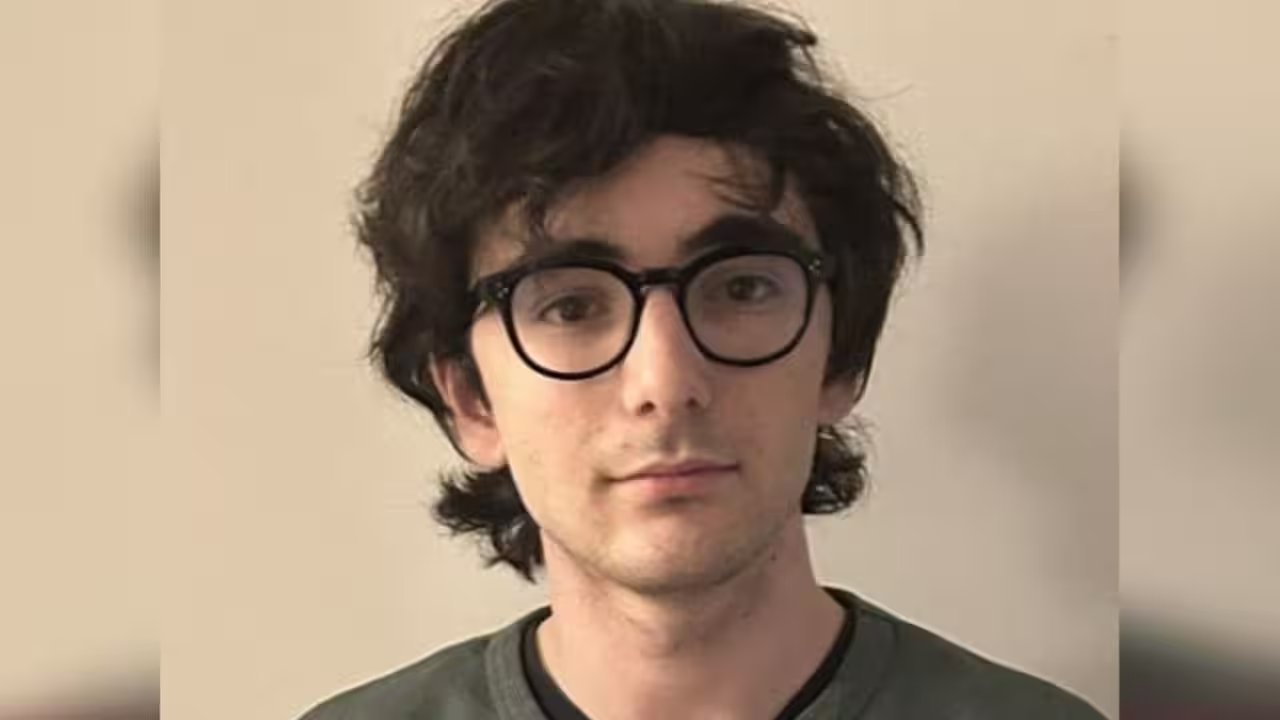
Théodore Cazals, a 20‑year‑old student from Paris, slammed the post on X under the handle 'Insane AI Slop' and began highlighting other misleading images. He said, "The flood of absurd AI images on Facebook left me stunned."
Within weeks the account amassed 133,000 followers, and Cazals started coordinating with fact‑checkers to flag content across platforms. He targeted YouTube, where several channels were removed for AI‑generated cartoons depicting bizarre parasites and religious miracles. YouTube spokesperson Mark Chan said the company is tightening moderation on AI‑generated material.
The backlash spread to TikTok, Threads, and Instagram, where users' comments criticizing AI slop have out‑liked the original viral posts. Emily Thorson of Syracuse University noted, "If you’re on a short‑video platform for entertainment, the standard for content is simply whether it’s entertaining; that can be problematic when it’s AI‑generated."
Cazals plans to expand his campaign to other social media, collaborating with digital literacy groups to create a rapid response protocol for AI misinformation. He is also lobbying for clearer guidelines from platform regulators to curb the spread of low‑quality AI content.