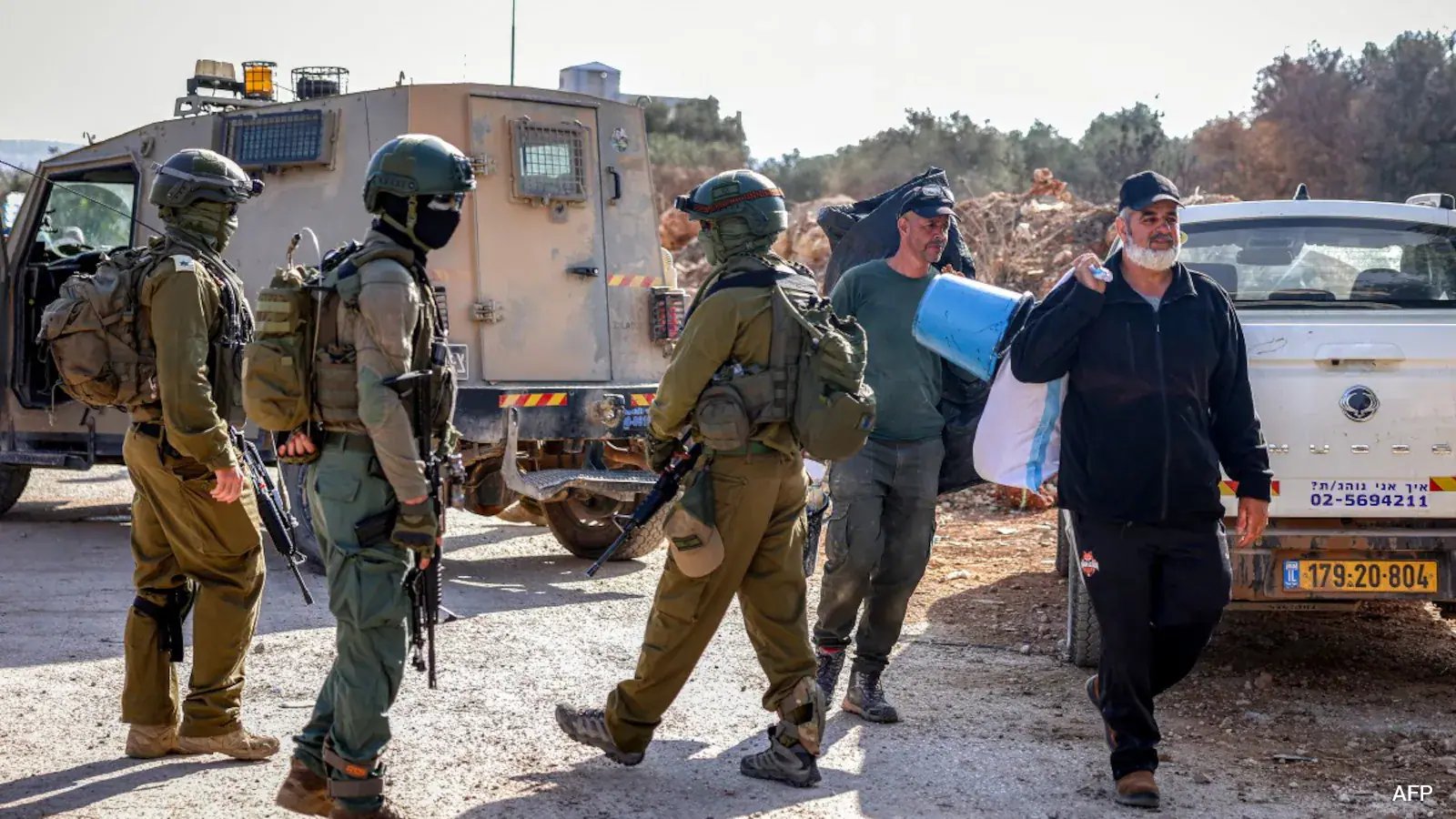
On September 26, Lieutenant General Eyal Zamir, commander of the Israeli Defense Forces, announced increased troop deployments on all fronts, a shift he said was prompted by a surge in alerts across the nation.
The statement came during a visit to the occupied West Bank, where Zamir noted that the election cycle—Prime Minister Benjamin Netanyahu up against a tight race in the October 27 poll—had amplified the likelihood of border incidents.
Zamir warned that the heightened readiness was designed to counter ‘surprise’ attempts against Israeli civilians, recalling the October 7 Hamas raid that left 1,200 dead and shattered the nation’s sense of security.
In Gaza, Israel now controls more than 60 percent of the territory, a year after a U.S.-brokered ceasefire, and its continued strikes aim to deter any resurgence of militant activity.
In the Gush Etzion settlement, the Rafi family has been forced to set up nightly watch shifts; their 10‑year‑old son, Amir, now sleeps with a night light, reflecting the anxiety that plagues many Israeli households along the front.
The army also warns of incoming artillery from Iran amid the broader Middle East conflict that began in February, noting that violence in southern Lebanon has eased since the 2024 framework deal with Israel, though Hezbollah disarmament remains stalled, according to a Lebanese security analyst.