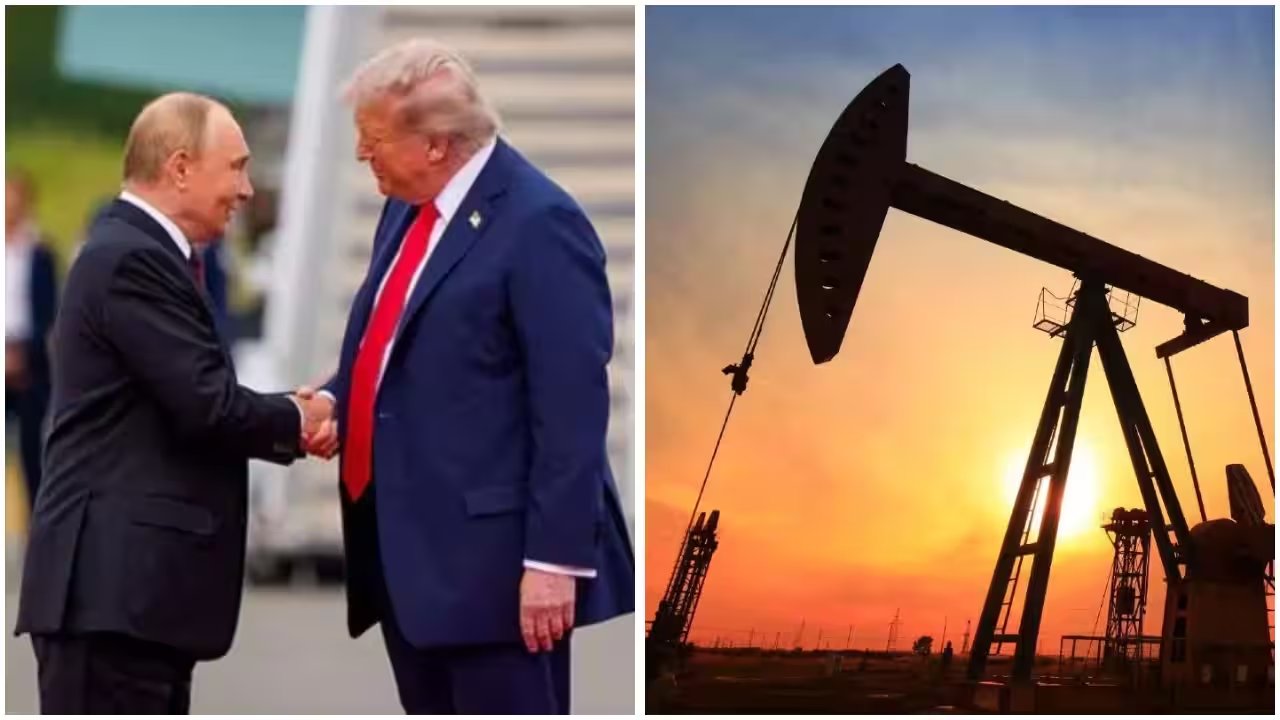
Russia’s diesel has hit the global market again. After an agreement signed last week between Moscow and President Donald Trump, Kremlin spokesman Dmitry Peskov said the country had lifted its ban on diesel exports from October 10, and a 40,000‑tonne tanker set sail from Primorsk for Morocco on October 13.
Trump told reporters Friday that Russia would pour more than 300,000 tonnes of ultra‑low‑sulphur diesel into the US and worldwide markets immediately, and that 500,000 tonnes would follow in November, with a further one‑million‑tonne tranche to be added "immediately thereafter".
European officials and Ukrainian President Volodymyr Zelenskyy slammed the deal, with Zelenskyy accusing Moscow of using fuel diplomacy to undermine peace talks. Meanwhile, Peskov said Kyiv’s strikes on Russian refineries were undermining the energy ceasefire Trump announced on Sunday.
The U.S. Energy Information Administration estimates the transport sector consumes about 2.94 million barrels a day, so the 300,000‑tonne shipment – roughly 2.25 million barrels – covers less than a day's demand, and the subsequent deliveries will add only a few days of fuel to the market.
A drone strike on a refinery in Russia’s Ryazan region last night sparked a fire; Russia’s defence ministry confirmed the attack and Ukraine acknowledged the hit, adding fuel to the already tense energy security debate.
As the next wave of exports heads for European ports, Washington watches closely, while Moscow vows to keep supplies flowing until the mid‑term election on November 3, hoping lower diesel prices will translate into voter support.